How Bartonella Affects the Nervous System & Energy
Bartonella is a highly adaptive, intracellular bacterial infection capable of altering immune signaling, vascular function, and nerve stability. It does not typically present with dramatic acute illness. Instead, it establishes persistence when the biological terrain allows it — remaining active and chronic in the setting of immune dysregulation, toxic burden, or impaired repair mechanisms.
While often discussed in the context of Lyme disease, Bartonella is fully capable of driving complex chronic illness on its own. Understanding how it enters the body, how it survives, and how it creates disease is essential for accurate diagnosis and effective treatment.
How Bartonella Enters the Body
In this discussion, we are focusing on tick-borne Bartonella, although other transmission routes (such as fleas or scratches) are described in the literature.
Ticks are efficient vectors capable of transmitting multiple organisms in a single bite. Once introduced into the bloodstream, Bartonella targets:
Endothelial cells (the lining of blood vessels)
Red blood cells
Immune cells
This tissue preference explains much of its downstream pathology.
How Bartonella Evades the Immune System
Bartonella survives not by overwhelming the immune system, but by avoiding detection and manipulating cellular behavior.
It is able to:
Live inside host cells (intracellular persistence) (Dehio, 2004; Harms & Dehio, 2012)
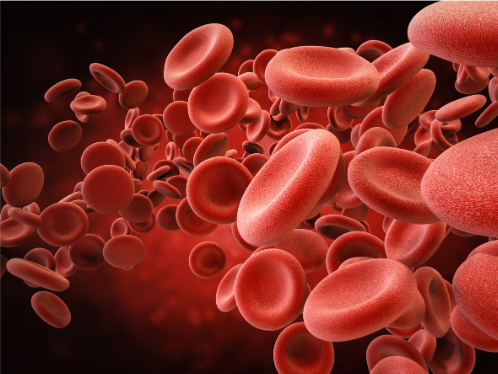
Infect red blood cells, which lack nuclei and are poorly surveilled by immune defenses (Pulliainen & Dehio, 2001)
Invade endothelial cells and alter their signaling (Dehio, 2004)
Modulate apoptosis pathways to prolong infected cell survival (Harms & Dehio, 2012)
Promote low-grade, chronic inflammatory signaling rather than acute immune activation (Breitschwerdt et al., 2014)
This allows Bartonella to persist for extended periods without producing dramatic laboratory abnormalities.
What Bartonella Does in the Body: The Physiology
Bartonella is not an aggressive, fast-moving infection. It is slow, strategic, and unsettlingly intelligent — the kind of organism that survives by blending in rather than attacking outright.
It does not announce itself with fever and labs. Instead, it quietly embeds itself where the body is least equipped to clear it.
Bartonella is uniquely disruptive because of where it lives and what it infects.
It is an intracellular organism with a strong preference for:
Endothelial cells (lining blood vessels)
Red blood cells
Immune cells
This leads to several downstream effects:
1. Endothelial Dysfunction & Microvascular Injury
By infecting endothelial cells, Bartonella disrupts normal blood vessel signaling . This impairs:
Nitric oxide regulation
Microcirculation
Oxygen and nutrient delivery to tissues
The result is ischemia at the microvascular level, a phenomenon consistent with endothelial dysfunction described in Bartonella infections, which contributes to:
Muscle pain
Nerve irritation
Head pressure
Exercise intolerance
2. Neuroinflammation & Autonomic Dysfunction
Bartonella has been associated with neuroinflammatory and neuropsychiatric manifestations in both experimental and clinical literature (Breitschwerdt, 2020; Breitschwerdt et al., 2014). This affects:
Pain signaling pathways
Mood regulation
Sleep architecture
Autonomic balance
Patients often develop sympathetic nervous system dominance, contributing to anxiety, panic, and insomnia.
3. Immune Dysregulation
Rather than triggering a robust immune attack, Bartonella promotes:
Chronic low-grade inflammation
Cytokine imbalance
Immune tolerance
This allows persistence while driving symptoms.
Rather than destroying tissue outright, Bartonella changes cellular behavior — altering vascular signaling, immune tone, and nervous system responses in ways that are profound but often invisible on standard testing.
Common Bartonella Symptoms
Bartonella has a very recognizable symptom constellation, especially in the setting of Lyme disease.
Neurological & Psychiatric Symptoms
Anxiety, panic attacks, or sudden rage
Depression or emotional volatility
Insomnia
Brain fog and poor concentration
Head pressure or headaches
Sensory sensitivity (light, sound, touch)
Pain & Neuropathy Syndromes
Bartonella is a major driver of neuropathic and centralized pain.
Burning, stabbing, or electric pain
Small fiber neuropathy
Rib and chest wall pain
Shin or bone pain
Sore soles of the feet
Migrating pain that defies imaging
These patterns are frequently misdiagnosed as fibromyalgia or chronic pain syndrome, especially when imaging and labs are normal.
Vascular & Inflammatory Symptoms
Migratory muscle and joint pain
Tender lymph nodes
Temperature dysregulation
Skin Findings
Red or purple stretch-mark-like streaks unrelated to weight change
Transient rashes
Systemic Symptoms
Severe fatigue
Night sweats
Exercise intolerance
Terrain Matters More Than the Microbe
Bartonella does not become clinically dominant in a healthy terrain.
Key terrain factors that allow Bartonella to thrive include:
Immune suppression from Borrelia
Mold and mycotoxin exposure
Impaired detoxification pathways
Nervous system dysregulation
This is why antimicrobial therapy alone so often fails.
Clinical Takeaways
Tick-borne Bartonella often becomes clinically dominant only after Borrelia has disrupted immune signaling
Bartonella is an intracellular, endothelial infection that impairs microcirculation and nerve function
It is a major driver of neuropathic pain and fibromyalgia-like syndromes
Symptoms arise from vascular injury, neuroinflammation, and immune tolerance, not tissue destruction
Treating Bartonella without addressing terrain — especially mold — often leads to treatment failure
Bartonella does not overwhelm the body. It waits it out.
It hides in blood vessels, irritates nerves, distorts signaling, and exploits immune exhaustion. By the time it is recognized, the damage is functional rather than visible — and therefore easy to dismiss.
What To Do If You Suspect Bartonella

If you recognize yourself in these symptoms — unexplained neuropathic pain, migrating discomfort, neuropsychiatric shifts, or chronic fatigue without clear laboratory answers — it may be time to look deeper.
Bartonella is a clinical diagnosis as much as a laboratory one. Pattern recognition, history, and a systems-based evaluation of immune function, vascular health, and terrain are often more revealing than a single test result.
If you are struggling with persistent symptoms and feel unheard or misdiagnosed, schedule a consultation with Boulder Holistic Functional Medicine in Boulder, Colorado. Proper evaluation, thoughtful sequencing of treatment, and restoration of terrain are essential for long-term recovery.
You do not have to navigate chronic illness alone.
Dehio C. Molecular and cellular basis of Bartonella pathogenesis. Annual Review of Microbiology, 2004.
Harms A, Dehio C. Intruders below the radar: molecular pathogenesis of Bartonella spp. Clinical Microbiology Reviews, 2012.
Breitschwerdt EB et al. Bartonellosis: An emerging infectious disease of zoonotic importance. Journal of Veterinary Emergency and Critical Care, 2010.
Breitschwerdt EB et al. Bartonella species as a cause of vascular disease, neurological dysfunction, and chronic illness. Emerging Infectious Diseases, 2014.
Chomel BB, Kasten RW. Bartonellosis, an increasingly recognized zoonosis. Journal of Applied Microbiology, 2010.
Angelakis E, Raoult D. Pathogenicity and treatment of Bartonella infections. International Journal of Antimicrobial Agents, 2014.
Del Giudice P et al. Bartonella henselae infections and endothelial dysfunction. Clinical Microbiology Reviews, 2019.
Breitschwerdt EB. Neurological manifestations of Bartonella infections. Parasites & Vectors, 2020.